August 14, 2026
As a building owner, maintaining a secure and functional property relies heavily on the integrity of the structural envelope overhead. According to data from IBISWorld, the market size of the roofing contractors industry in the United States expanded at a compound annual growth rate of 5.0% between 2021 and 2026, reflecting a massive national investment in property preservation. Because roof failures represent one of the single largest capital expenses a property manager can face, staying ahead of wear is crucial. Understanding the most frequent threats to your roof can help you protect this major investment and avoid costly business interruptions.
1. Navigating Ponding Water Issues
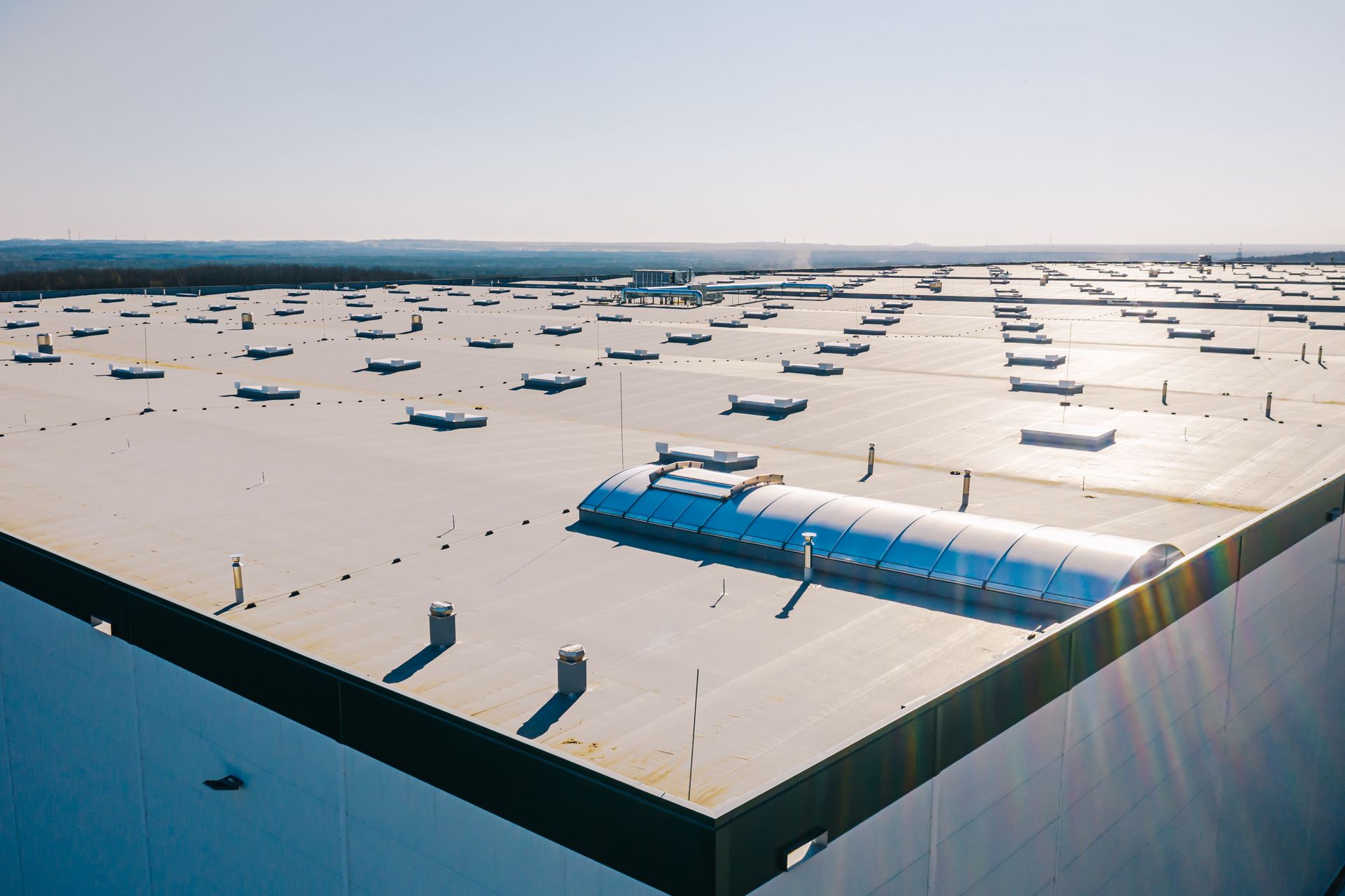
Flat and low-slope commercial roofs are highly vulnerable to standing or ponding water, which occurs when water remains on the roof surface for more than 48 hours after rain. While these systems are engineered to tolerate temporary moisture, prolonged accumulation places thousands of pounds of static load on the structural deck. This continuous weight causes the roof structure to bow or sag, creating deeper depressions that collect even more water over time, and turns into an issue that demands immediate attention. Overpowered by weight, the deck can eventually suffer a catastrophic localized collapse.
Beyond structural deflection, standing water accelerates the chemical degradation of the underlying roofing membrane, especially on older asphalt-based or single-ply systems. It acts as a magnifying glass for ultraviolet radiation, concentrating solar heat and breaking down protective coatings. When winter hits, the freeze-thaw cycle causes trapped water to expand, which tears apart seams and tears the membrane away from flashing. Addressing this problem before it rots your structural deck requires a targeted plan for commercial roof repair to clear clogged drains, install tapered insulation crickets, or level out low spots. Left unaddressed, internal rust quickly compromises steel decks.
2. Resolving Membrane Puncture Failures
Unlike residential roofs, commercial roofs are frequently accessed by maintenance crews, HVAC technicians, telecommunications installers, and facility managers. Every time a technician walks across the roof or drops a heavy tool, the membrane is subjected to physical stress that can result in punctures and tears. Flying storm debris, tree branches, and nesting birds or pests can also puncture the outer barrier.
Punctures are notoriously difficult to track because they can be as small as a pinhole, yet they allow water to slowly seep into the insulation board below. Once the insulation is saturated, it loses its thermal resistance, driving up heating and cooling costs while secretly rotting the roof deck from the inside out. To prevent this, owners should establish dedicated walkway pads for foot traffic and implement a strict policy requiring any third-party contractors to log their visits. When a tear is detected during routine checks, executing a timely commercial roof repair using manufacturer-approved patches can seal the breach before the wet insulation must be completely torn out.
3. Fixing Damaged Flashing Joints
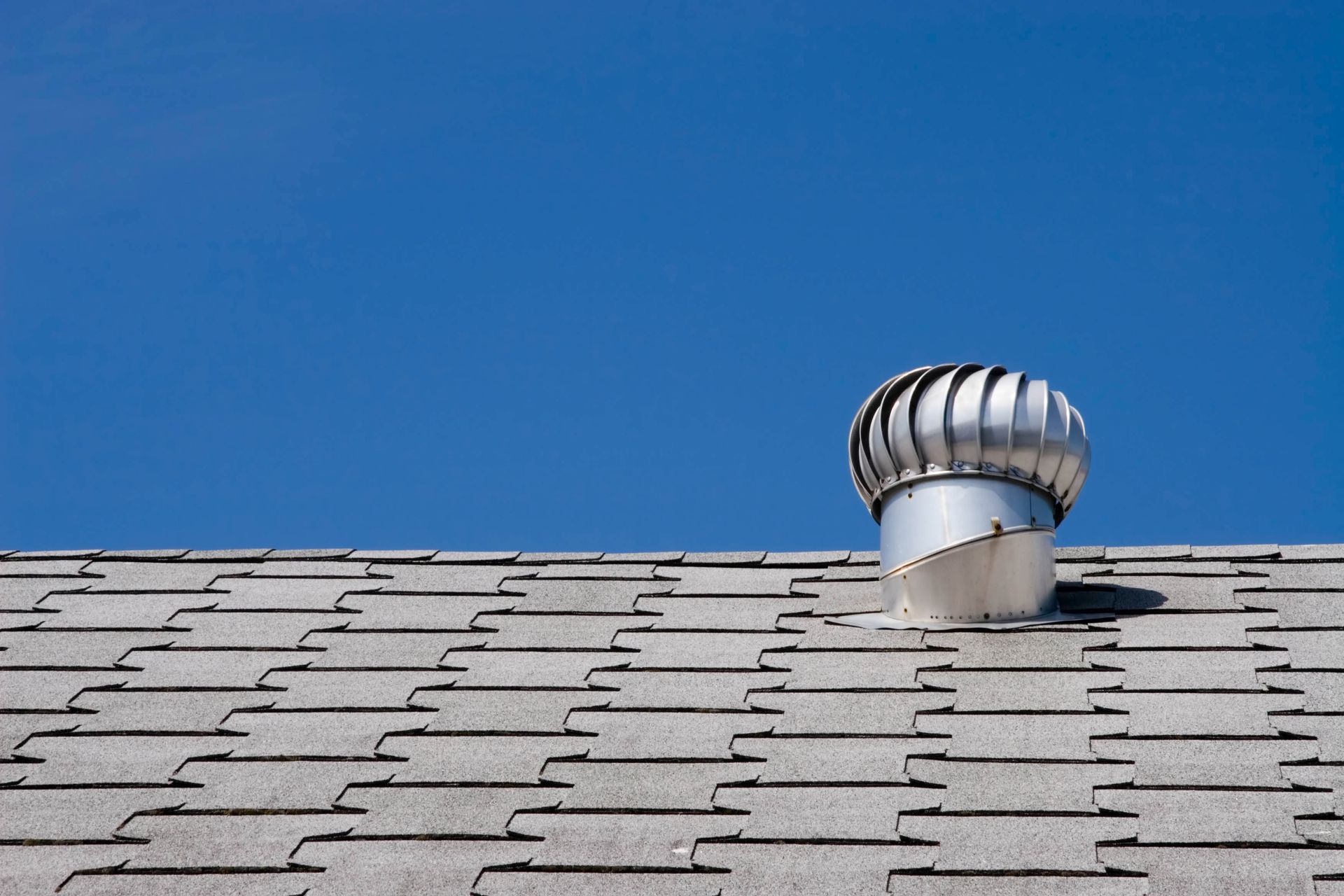
Usually made of galvanized steel, copper, or heavy-duty rubber, flashing is the protective transition material installed around the perimeter of the roof, along parapet walls, and around penetrations like pipes, vents, and HVAC units. It is designed to act as a primary barrier against water intrusion at the roof's weakest structural points. Unfortunately, because these areas undergo significant thermal expansion and contraction, flashing is frequently the very first component to fail.
When the adhesive dries out, seals crack, or fasteners back out due to building settlement, gaps open up. Rainwater traveling down vertical surfaces quickly finds these gaps, bypassing the membrane entirely and draining directly into the building's interior. Regular inspections should prioritize checking the sealant along termination bars and counter-flashing. If you catch separation early, a straightforward commercial roof repair can reseal the joints with premium polyurethane sealants or replace damaged metal segments, saving you from a much larger interior remediation bill.
4. Correcting Substandard Installation Work
Even the most expensive, top-tier roofing material will fail prematurely if it is installed incorrectly by inexperienced or rushed contractors. Common installation errors include failing to properly prepare the deck substrate, applying adhesives at the wrong temperatures, neglecting to clean the seams before heat-welding, or using mismatched materials that react chemically with one another. Cutting corners in this way during initial construction always costs more in the long run.
For instance, single-ply membranes like TPO or EPDM require highly precise welding or adhesive application along their seams to create a continuous, monolithic sheet. If the seams are cold-welded or the adhesive coverage is insufficient, the joints will begin to separate within just a few years of installation. Fixing these systemic failures often demands extensive, professional commercial roof repair to re-secure loose edges, add mechanical fasteners, or weld new cover strips over failed seams to restore the integrity of the system.
5. Managing Thermal Membrane Shrinkage
Single-ply roofing membranes, particularly EPDM (synthetic rubber), are prone to shrinkage over their life cycles due to continuous UV exposure and aging. As the membrane slowly loses its plasticizers and elasticity, it begins to pull tight across the roof surface. This tension pulls the membrane away from the roof's perimeter walls, curbs, and penetrations.
As the shrinking material pulls tight, it creates immense stress on the mechanical fasteners and adhesives holding it down. This tension can cause the membrane to tent or pull away from the decking entirely, exposing the edges to wind uplift. It also damages flashing connections and rips open peripheral seams, creating massive pathways for water to enter. Resolving membrane shrinkage requires a skilled technician to perform a specialized commercial roof repair, which involves cutting the tensioned membrane, adding reinforcement strips, and bridging the gap with fresh, flexible material.
6. Preventing Serious Blow-Off Damage
High winds can wreak absolute havoc on a commercial roof, particularly around the corners and edges of the building where wind uplift forces are strongest. If the roofing membrane or flashing is not completely adhered or mechanically fastened to the deck, wind can slip beneath the loose edges. This creates a vacuum effect that billows the membrane upward, eventually tearing it completely off the roof structure.
Once a blow-off begins, the building's interior is left completely exposed to the elements, leading to catastrophic water damage, mold growth, and damaged equipment. Factors that contribute to blow-offs include corroded fasteners, deteriorated wood nailers, and pre-existing leaks that have rotted the roof deck, leaving nothing for the fasteners to grip. Property owners should immediately address loose edge metal or lifting membrane seams with prompt commercial roof repair before minor wind events escalate into major storm-driven emergencies.
7. Overcoming Inadequate System Maintenance
By far, the most preventable commercial roof problem is a simple lack of ongoing maintenance. Many building owners take an "out of sight, out of mind" approach to their roofs, waiting until water is dripping onto their inventory or office space before calling a contractor. By the time a leak is visible inside, the insulation is typically already ruined, and structural mold may have started to develop.
A comprehensive maintenance program involves twice-yearly inspections, clearing debris from drains, checking all seals, and patching minor wear before it spreads. Ignoring these small, routine tasks voids manufacturer warranties and drastically shortens the overall lifespan of the roof. Proactive owners who prioritize maintenance find that small, routine patches and minor adjustments keep their properties secure and eliminate the need for emergency, high-budget interventions. For more insight on
commercial roof repair needs you are likely to run into, please reach out to Western Roofing Inc today.