May 7, 2026
Commercial roofs are critical components of any business property. They protect valuable assets, ensure employee safety, and maintain operational continuity. However, many property owners underestimate the influence of weather on their roofs. From scorching sun and heavy rains to powerful winds and hailstorms, environmental factors can significantly impact a roof’s durability and lifespan. Understanding these influences can help businesses plan maintenance schedules and make informed decisions about roof installation and repairs.
Investing in a high-quality roofing system and working with a reliable commercial roofing company can prevent costly repairs and extend the life of your roof. Weather-related damage can be gradual or sudden, often going unnoticed until it results in leaks, structural issues, or even business interruptions. By recognizing how different weather conditions affect commercial roofs, property managers and owners can take proactive measures to protect their investments and reduce long-term expenses.
Sun and Heat Effects
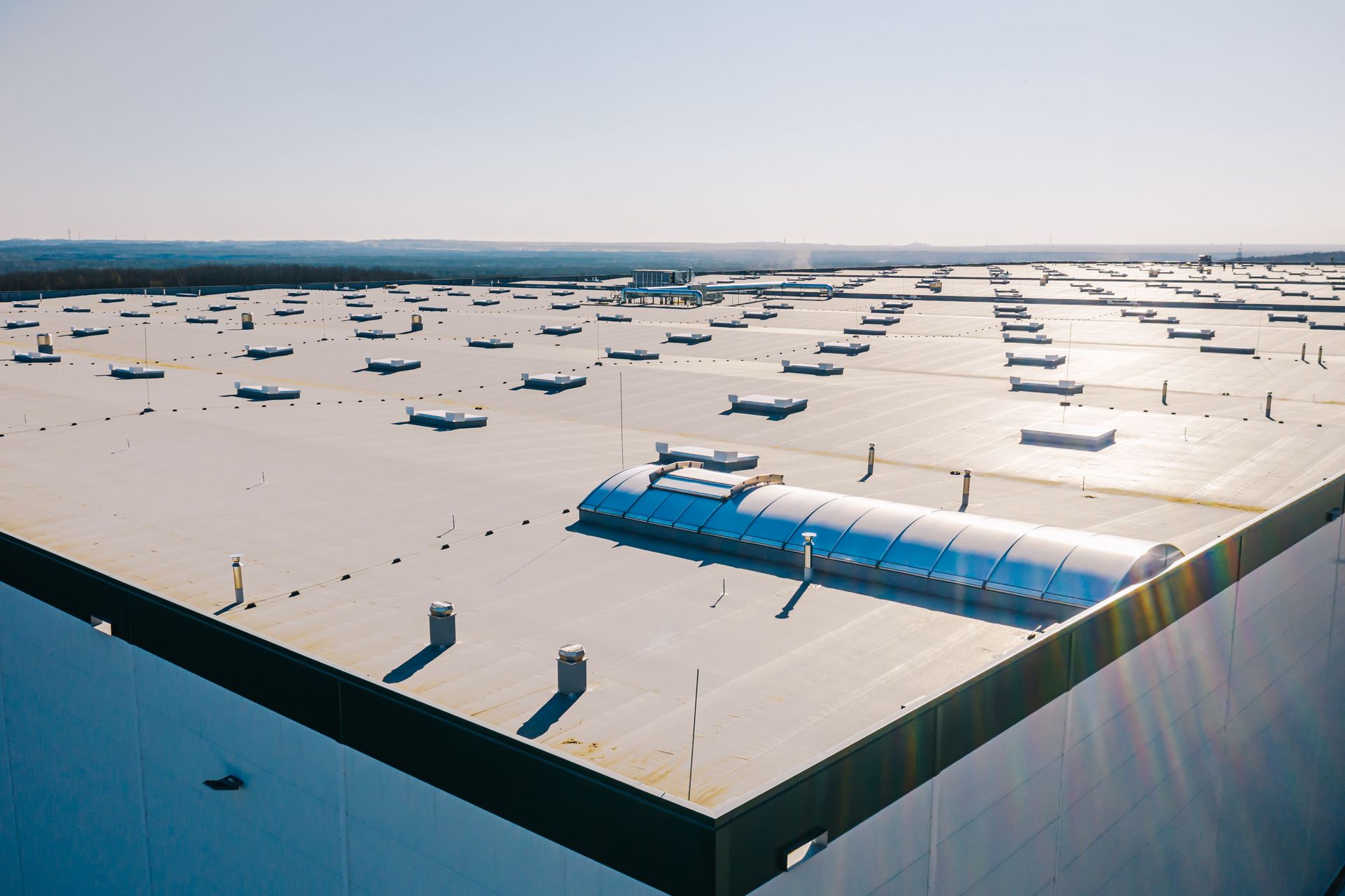
Prolonged exposure to the sun is one of the most common challenges for commercial roofs. Ultraviolet (UV) rays can degrade roofing materials over time, especially asphalt, rubber, and some types of coatings. Heat causes roofing materials to expand and contract repeatedly, which can lead to cracks, blistering, and premature aging. Flat roofs, often found on commercial buildings, are particularly vulnerable because they absorb and retain more heat.
High temperatures can also accelerate the deterioration of adhesives and sealants, compromising the roof’s integrity. This can lead to small leaks that grow larger if left unchecked. Certain reflective or coated roofing systems can mitigate the effects of UV exposure, but even these require proper maintenance. Partnering with a professional commercial roofing company ensures that your roof materials are chosen and installed with the local climate in mind, maximizing lifespan and performance.
Another concern is the impact of heat on the insulation beneath the roof. Over time, heat can reduce insulation efficiency, affecting energy costs and interior comfort. A compromised insulation layer can also put extra stress on the roof structure, potentially leading to sagging or other structural issues. Regular inspections by a qualified commercial roofing company can catch these problems early and recommend preventive solutions.
Finally, seasonal temperature swings amplify thermal stress. In regions with hot days and cool nights, roofing materials are subjected to constant expansion and contraction cycles, which can exacerbate wear and tear. Investing in weather-resistant materials and timely maintenance is the key to prolonging a commercial roof’s life under intense sun exposure.
Rain, Snow, and Moisture Damage
Water is a commercial roof’s most persistent adversary. Heavy rainfall, snow accumulation, and ice formation can cause significant structural damage if not properly managed. Poor drainage, clogged gutters, or inadequate sloping can allow water to pool, leading to leaks and weakening the roof deck. Over time, trapped moisture can penetrate the roofing layers and damage insulation, potentially causing mold or rot.
Snow and ice present unique challenges. Snow adds extra weight, which can strain the roof structure, while ice dams can prevent proper drainage and exacerbate leaks. When temperatures fluctuate, melting and refreezing cycles can crack roofing materials or loosen seams. Proper roof design and periodic inspections by a professional commercial roofing company can mitigate these risks and ensure that drainage systems function efficiently throughout the winter months.
Moisture can also accelerate corrosion of metal roofing components, such as fasteners, flashing, and roof edges. Left untreated, this corrosion can compromise structural stability and shorten the roof’s lifespan. Implementing protective coatings or using corrosion-resistant materials can help prevent damage caused by rain and snow. Regular roof maintenance, including cleaning debris and checking for water damage, is essential to preserving a commercial roof over time.
Finally, repeated exposure to moisture can weaken adhesives and membranes in single-ply roofing systems. Once the adhesive fails, the roofing layers can delaminate, creating potential leaks and costly repairs. By addressing moisture concerns proactively, property owners can maintain the structural integrity of their commercial roofs and reduce long-term maintenance expenses.
Wind and Storm Impact
High winds and storms can wreak havoc on commercial roofs, particularly those with loose or damaged components. Strong gusts can lift shingles, tear membranes, and damage flashing, leading to water infiltration and structural issues. Roofs located in regions prone to hurricanes, tornadoes, or severe thunderstorms are especially vulnerable and require materials and construction techniques designed to withstand extreme conditions.
According to Carsurance, hailstorms cause around $15 billion in damage to homes, cars, and crops in the U.S. annually. Commercial buildings are not immune, and roofs can sustain significant dents, punctures, or tears during hail events. Even moderate storms can compromise roof integrity, resulting in leaks or the need for premature replacement. Engaging a reputable commercial roofing company ensures that roof materials meet impact resistance standards and are properly secured to reduce storm damage.
Wind-driven debris, such as tree branches or construction materials, can also puncture or scrape roofing surfaces. Flat roofs, in particular, are susceptible to damage from wind uplift, where high-speed winds can peel back roofing membranes. Routine inspections, prompt repair of minor damage, and the installation of wind-resistant materials can safeguard commercial roofs against storm-related destruction.
Additionally, wind and storm damage often accelerates other forms of wear. Once roofing materials are loosened or punctured, water intrusion becomes more likely, compounding the effects of rain, snow, or ice. A proactive maintenance plan with a professional roofing company can prevent minor wind damage from escalating into major structural problems, saving time and money in the long run.
Seasonal and Regional Considerations
The impact of weather on commercial roofs varies significantly depending on geographic location. Buildings in desert regions face intense heat and UV exposure, while those in northern climates must contend with snow, ice, and freeze-thaw cycles. Coastal areas often experience high winds, salt air corrosion, and humidity-related issues. Understanding these regional factors is crucial when selecting roofing materials and designing maintenance strategies.
Seasonal transitions also play a role. Spring and fall often bring heavy rains and temperature fluctuations, which can test a roof’s resilience. Summer heat can exacerbate UV damage, while winter snow and ice impose additional structural loads. By considering both seasonal and regional patterns, business owners can implement preventative measures, such as installing weather-resistant coatings, enhancing drainage, or scheduling timely inspections.
Material choice is another critical factor influenced by the weather. Metal, TPO, EPDM, and modified bitumen each have distinct performance characteristics under varying conditions. A roofing company can provide guidance on the best materials for a building’s location and expected weather patterns, ensuring long-term durability and cost efficiency.
Finally, proactive maintenance tailored to local climate conditions can significantly extend a roof’s lifespan. This includes monitoring for weather-related damage, cleaning debris, sealing cracks, and repairing minor leaks promptly. Working with experienced professionals ensures that commercial roofs are prepared to withstand environmental stressors year-round, protecting both the property and business operations.
Weather is an unavoidable factor that directly affects the longevity of commercial roofs. Sun, heat, rain, snow, wind, and storms all contribute to material degradation, structural stress, and potential leaks. By understanding the ways in which different weather conditions impact roofing systems, property owners can make informed decisions about material selection, installation, and maintenance. Proactive measures not only prevent costly repairs but also ensure a safer, more comfortable environment for employees and clients.
Collaborating with a skilled commercial roofing company is one of the most effective strategies to safeguard your investment. Experienced professionals can recommend durable materials, perform regular inspections, and address weather-related damage promptly. From designing roofs to withstand regional climate conditions to repairing storm damage and maintaining proper drainage, a professional team helps extend roof lifespan and protects the overall integrity of your commercial property. In the end, acknowledging the power of weather and preparing accordingly is essential for any business committed to long-term success and operational efficiency. Protect your building with expert care from Western Roofing Inc, our reliable commercial roofing company. Contact us to schedule an inspection and keep your roof in top condition.