September 5, 2026
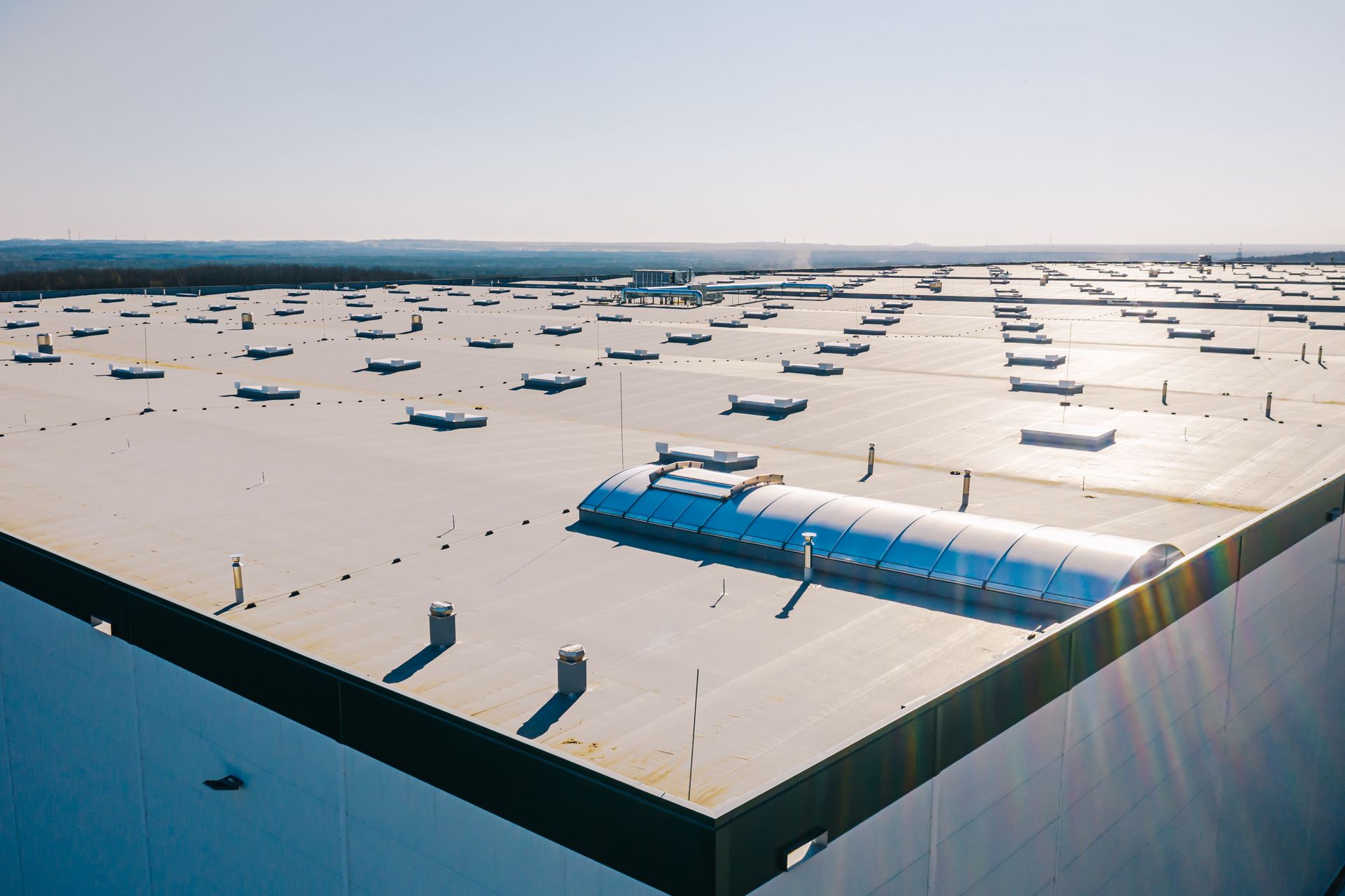
Flat roofs are commonly used on commercial buildings because their design can provide practical access for equipment, maintenance, and other building systems. However, when a flat roof develops a leak, the visible signs inside the property may not appear immediately. Water can move through roofing layers and structural materials before reaching ceilings, walls, or occupied spaces. This hidden moisture can create problems that become increasingly difficult to address when the source remains unresolved. Even a relatively small leak deserves prompt attention because continued water intrusion can affect more than the roof surface. Property owners should understand the potential interior consequences of flat roof leaks and recognize warning signs early. Professional inspections can help determine whether the issue is isolated or connected to broader roofing deterioration. Taking action quickly can help protect the building and reduce unnecessary disruption.
Recognize Ceiling Damage
Ceiling damage is often one of the first visible signs that water has entered a commercial building. Discoloration, bubbling paint, sagging materials, or damp spots can indicate moisture above the ceiling. However, the visible area may not represent the full extent of the problem. Water can travel along structural components before appearing in a particular location. If the leak continues, ceiling materials may weaken and require replacement. Flat roof replacements may eventually become necessary when widespread deterioration has affected the roofing system. Addressing the leak at its source is more effective than simply repairing the visible ceiling damage. A professional inspection can determine whether the ceiling issue is connected to the roof or another building component.
Protect Interior Walls
Water entering through a flat roof can move into walls and affect materials that are not immediately visible. Drywall, insulation, framing, and other components can absorb moisture when leaks continue. Staining or peeling paint may eventually become noticeable, but damage can develop behind the surface before those signs appear. Persistent dampness can also contribute to unpleasant odors within occupied areas. Flat roof replacements can address extensive roofing deterioration when repairs are no longer sufficient to restore reliable protection. Property owners should investigate recurring wall damage rather than repeatedly treating the visible symptoms. A thorough assessment can help identify how far moisture has traveled through the building. Early intervention can reduce the potential for widespread interior restoration.
Prevent Insulation Problems
Insulation can be particularly vulnerable when water enters a building through a damaged roof. Once insulation becomes wet, its performance may be affected depending on the material and extent of moisture exposure. Wet insulation can also retain moisture within enclosed spaces, making it harder for affected areas to dry. This can create additional concerns if the source of the leak is not corrected. Flat roof replacements may be considered when ongoing deterioration allows repeated water intrusion across larger sections of the building. Professional roofers can inspect accessible areas and identify signs that moisture has reached the insulation. Removing and replacing affected materials may be necessary in some situations. Addressing both the roof and interior moisture can help restore the building more completely.
Reduce Structural Risks
Long-term water intrusion can eventually affect structural components within a commercial property. Wooden framing and roof decking can deteriorate when repeatedly exposed to moisture. Metal components may also experience corrosion depending on the environment and materials involved. Structural damage can be more difficult and expensive to address than a localized roofing problem. Flat roof replacements may provide a broader solution when the existing system has reached a condition where recurring repairs are no longer practical. According to IBISWorld, the U.S. roofing contractors industry is valued at $92.5 billion in 2026, reflecting the substantial scale of roofing work across the country. This industry includes professionals who address a wide range of roofing needs, including commercial systems. Property owners should have suspected structural damage evaluated promptly rather than waiting for more visible deterioration.
Watch for Mold Concerns
Persistent moisture can create conditions that support unwanted biological growth inside a building. Areas that remain damp for extended periods may develop musty odors or visible discoloration. Mold-related concerns can be especially difficult when moisture is trapped behind walls, ceilings, or insulation. Simply cleaning a visible area may not resolve the problem if the underlying water source remains active. Flat roof replacements may become part of a larger corrective project when recurring leaks originate from an aging or extensively damaged roofing system. Property owners should address the moisture source while following appropriate procedures for evaluating affected interior materials. Professional assessment can help identify areas that require further attention. Acting promptly can help limit the amount of interior space affected by ongoing moisture.
Protect Electrical Systems
Roof leaks can create concerns when water reaches electrical equipment, wiring, lighting fixtures, or other electrical components. Moisture near electrical systems can create safety hazards and should not be ignored. If water appears around a light fixture, outlet, electrical panel, or other equipment, the affected area should be treated seriously. Building occupants should avoid interacting with potentially wet electrical components and seek appropriate professional assistance. Flat roof replacements may be considered when roof deterioration creates repeated opportunities for water to enter areas containing sensitive building systems. Roofing professionals can evaluate the roof, while qualified electricians can address electrical concerns when necessary. Coordinating the appropriate services can help protect both the building and its occupants. Prompt action is particularly important when a leak occurs near electrical infrastructure.
Protect Business Operations
Interior water damage can disrupt normal business operations even when the original roofing problem seems relatively small. Leaks can affect offices, retail areas, storage rooms, equipment spaces, and other occupied portions of a commercial building. Damaged ceilings or flooring may require areas to be temporarily closed while repairs take place. Water can also affect inventory, furniture, electronics, documents, and other valuable property. Flat roof replacements can represent a significant project, but allowing a recurring leak to continue can create additional costs and disruption. Property owners should consider both immediate repair needs and the potential consequences of continued water intrusion. Addressing roofing problems early can help businesses maintain safer and more usable interior spaces. A proactive approach can also make it easier to schedule work around business operations.
Evaluate Drainage Problems
Drainage is particularly important for flat roofing systems because water must be directed toward designated drainage points. Blocked drains, clogged scuppers, damaged gutters, or inadequate slopes can contribute to standing water. When water remains on the roof for extended periods, it can place additional stress on roofing materials and vulnerable seams. Regular inspections can help identify drainage issues before they contribute to leaks. Flat roof replacements may be appropriate when drainage deficiencies are combined with extensive deterioration across the roofing system. Property owners should also ensure that drains and other drainage components receive appropriate maintenance. Addressing water movement is an important part of protecting the roof and the building beneath it. Effective drainage can help reduce unnecessary water exposure and support better long-term roof performance.
Flat roof leaks can cause far more damage than a simple stain on the ceiling. Water may travel into walls, insulation, framing, electrical systems, and other interior areas before the full extent of the problem becomes visible. Persistent moisture can also disrupt business operations and create additional restoration needs. Regular inspections and prompt attention to warning signs can help property owners address problems before they become more extensive. When a roofing system has widespread deterioration or recurring leaks, a professional evaluation can help determine whether repair or replacement is the more practical option. Western Roofing Inc can provide professional guidance for commercial property owners dealing with flat roof concerns. Taking action early can help protect both the building and the business operating inside it.
If your commercial building has recurring leaks or signs of roofing deterioration, contact us today to schedule an inspection and discuss whether flat roof replacements are right for your property.