November 12, 2026
Hailstorms can cause significant damage to commercial properties, and roofing systems are particularly vulnerable. Even durable materials may develop dents, punctures, or cracks after a severe storm. According to Carsurance, every year, hailstorms cause about $15 billion in damage to homes, cars, and crops in the US. For commercial property owners, understanding how different roofing materials respond to hail is essential for protecting buildings and avoiding expensive repairs. Although some systems offer better impact resistance than others, none are entirely immune. Professional commercial roofing services can help evaluate storm damage and determine appropriate solutions.
How Hail Affects Metal Roofing
Surface Dents and Panel Deformation
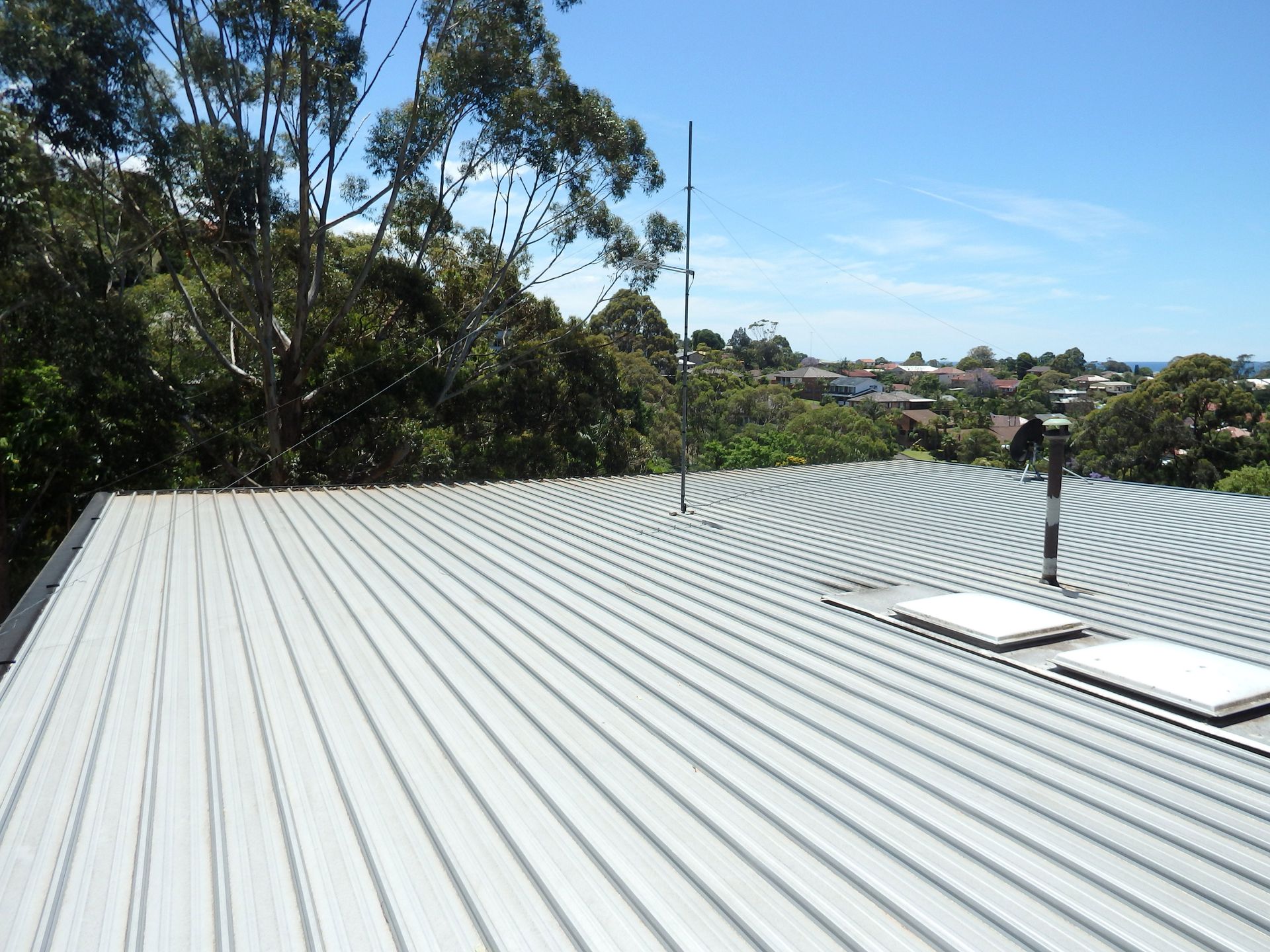
Metal roofing is valued for its durability, but hailstones can still leave noticeable dents and deform panels. Severe impacts may distort seams, loosen connections, and create openings where water can enter. Damaged protective coatings may also expose underlying metal to moisture and corrosion. After a significant storm, property owners should have the roof evaluated to determine whether visible damage affects its performance.
Factors That Influence Damage
Damage severity depends on hailstone size, impact speed, metal thickness, and the roofing system's condition. Older panels and materials with existing wear may be more vulnerable. Roof slope and installation quality can also influence how the material responds to impacts.
Repair and Prevention Options
Repairs may involve replacing individual panels, correcting damaged flashing, or addressing compromised fasteners and coatings. Extensive deformation may require larger replacement projects. Property owners can reduce future risks by selecting quality materials with appropriate impact resistance and scheduling regular maintenance. Commercial roofing services can help identify vulnerable areas and recommend practical improvements.
How Hail Affects Asphalt Shingle Roofing
Granule Loss and Surface Bruising
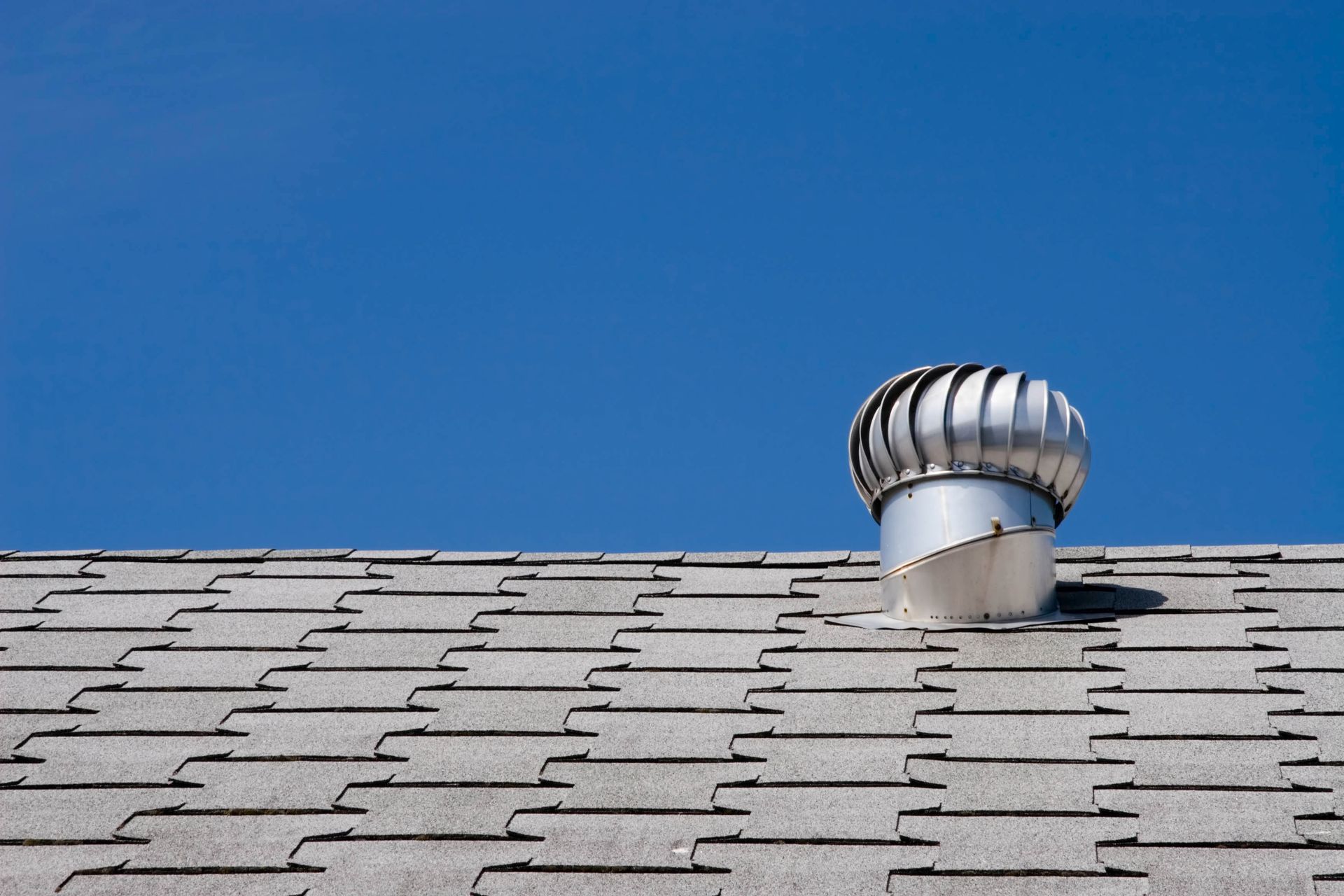
Asphalt shingles can experience considerable damage when struck by hailstones. One common problem is granule loss, which occurs when impacts dislodge the protective particles covering each shingle. These granules shield the underlying asphalt from ultraviolet radiation and weather exposure. Their removal leaves shingles more vulnerable to deterioration. Hail can also create soft spots and indentations that weaken the material.
Moisture Intrusion and Material Deterioration
Damaged shingles can allow rainwater to reach underlying roofing layers, potentially affecting insulation, decking, and interior materials. Moisture intrusion may lead to staining, mold growth, and wood deterioration. Professional evaluations after severe weather help identify these problems before they become more extensive.
Repair and Replacement Considerations
Isolated damage may require individual shingle replacement, while widespread deterioration could justify a larger roofing project. Property owners may also consider impact-resistant shingles when planning future improvements. Experienced commercial roofing services can assess the existing system and determine whether repairs or replacement offer the most practical solution.
How Hail Affects TPO Roofing Systems
Membrane Punctures and Tears
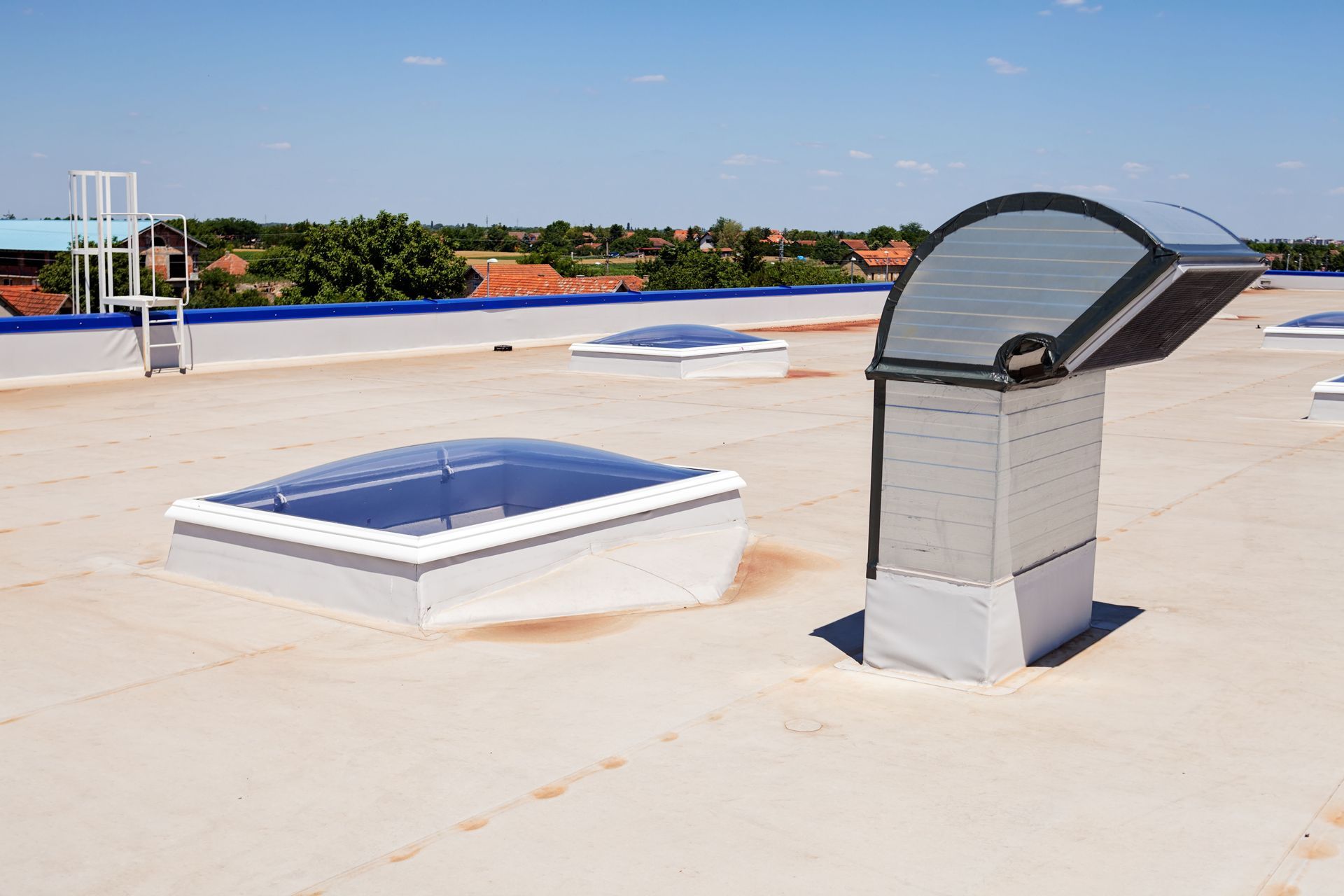
Thermoplastic Olefin (TPO) roofing is popular because of its energy efficiency and reflective properties. However, strong hail impacts can puncture or tear the membrane, compromising its ability to keep water out. Even small openings can allow moisture to reach insulation and other underlying components. Seams and areas around rooftop equipment deserve particular attention.
Membrane Thickness and Impact Resistance
TPO performance during hailstorms depends partly on membrane thickness, installation quality, and underlying support. Thicker membranes generally offer greater resistance to physical impacts, although they are not damage-proof. Building owners should consider these factors when selecting roofing specifications for properties in hail-prone areas.
Inspection and Repair Requirements
Signs of hail damage may include punctures, surface tears, displaced seams, and unusual depressions. Some problems require closer examination because underlying damage may not be visible. Repairs typically involve cleaning affected areas and applying compatible membrane patches. Commercial roofing services can help locate compromised sections and complete repairs using appropriate materials.
How Hail Affects EPDM Roofing
Impact Resistance and Material Weaknesses
Ethylene Propylene Diene Monomer (EPDM) is a synthetic rubber roofing material known for its flexibility and weather resistance. Its composition allows it to absorb certain impacts without immediately cracking. However, large hailstones can still cause cuts and punctures. Older membranes may be especially vulnerable after prolonged exposure to temperature fluctuations and environmental conditions.
Common Damage Locations
Hail damage on EPDM roofs may appear as punctures, shallow depressions, or tears. Seams, flashing, and transitions around rooftop equipment can also develop problems. These areas deserve attention because compromised connections can allow moisture to reach the underlying structure.
Repair and Protection Strategies
Repairs may involve applying compatible patches, reinforcing damaged seams, or replacing compromised membrane sections. Building owners can support long-term performance through routine cleaning, seam evaluations, and timely maintenance. Professional commercial roofing services provide access to appropriate materials and repair techniques that help preserve the system's protective qualities.
How Hail Affects Built-Up Roofing Systems
Surface Damage and Layer Exposure
Built-Up Roofing (BUR) systems consist of multiple layers of roofing felt and bitumen, often finished with gravel or another protective surface. Although their layered construction provides moisture protection, hail can displace gravel, damage surface coatings, or expose underlying materials. These problems can make the roof more vulnerable to water intrusion and deterioration.
Differences Between Gravel and Smooth Surfaces
Gravel-surfaced roofs have an additional layer that can help distribute impact forces and protect underlying materials. Smooth-surfaced systems lack this covering, leaving the membrane more directly exposed to hailstones. However, neither configuration is completely resistant to severe impacts.
Restoration and Maintenance Needs
Minor damage may require localized restoration, while extensive deterioration could call for more substantial repairs. Replenishing protective surfacing and addressing compromised sections can help restore performance. Regular evaluations allow building owners to identify problems before they become more expensive to resolve.
How Hail Affects Modified Bitumen Roofing
Surface Cracks and Layer Separation
Modified bitumen combines asphalt with specialized modifiers to create a flexible roofing material suitable for many low-slope commercial buildings. Its flexibility helps absorb some impact energy, but large hailstones may still cause cracks, tears, and surface depressions. Repeated impacts can also contribute to separation between roofing layers, weakening waterproofing.
Visible and Hidden Damage
Hail damage may appear as scuff marks, punctures, lifted sections, or tears. However, some problems are less noticeable and require professional evaluation. Bubbling and unusual surface changes can indicate moisture beneath the membrane. Identifying these conditions early helps prevent more extensive roofing problems.
Repair and Durability Improvements
Repairs typically involve patching damaged areas, restoring compromised seams, and using compatible adhesives. Property owners can also consider protective surfacing and other commercial roofing services to support durability. Qualified roofing professionals can recommend solutions based on the system's construction and condition.
How to Protect Your Commercial Roof After a Hailstorm
Although roofing materials respond to hail differently, every commercial roofing system benefits from timely attention after severe weather. Building owners should watch for visible damage, interior water stains, drainage problems, and changes around rooftop equipment. However, some damage cannot be identified through a ground-level assessment alone. Walking on a potentially damaged roof without proper training and safety equipment can also create additional risks.
Scheduling a professional evaluation after a significant hailstorm helps identify problems before they lead to expensive repairs. Photographs and inspection findings can also be useful when communicating with insurance providers. Property owners should review their coverage requirements and document maintenance and previous repairs.
The appropriate response depends on the roofing material, damage severity, and building condition. Some systems may only need localized repairs, while others could benefit from restoration or replacement. Routine maintenance between storms also helps identify aging materials and weakened seams.
Protecting a commercial property starts with understanding its roofing system and responding appropriately when severe weather strikes. Whether your building has metal, asphalt, TPO, EPDM, BUR, or modified bitumen roofing, professional attention can help preserve its condition. Contact Western Roofing Inc for dependable commercial roofing services and assistance evaluating your roof after a hailstorm. Prompt action can help protect your property and support the long-term performance of your roofing investment.